The most important SEO trends in 2026 are AI-powered search results, conversational and voice search, Core Web Vitals and page experience, mobile-first indexing, E-E-A-T and helpful content, search intent and topical authority, video and visual search, local SEO, zero-click results and privacy-first data. Businesses that create genuinely helpful content on fast, trustworthy websites, and stay visible across Google, AI tools and local search, will grow fastest.
Search is changing faster than ever. Google now answers many questions with AI-generated summaries, people search by voice, image and video as well as text, and new privacy rules are changing how businesses collect data. What worked a few years ago may no longer be enough.
The good news is that the core of SEO hasn’t changed: help people find genuinely useful answers on a fast, trustworthy website. These 10 SEO trends show you where to focus in 2026 and beyond, and how to act on each one.
1. AI-Powered Search Results
Google’s AI Overviews and AI Mode now answer many searches with AI-generated summaries, citing a handful of sources. Tools such as ChatGPT, Gemini and Perplexity are doing the same, so being cited inside the answer matters alongside ranking in the results below it.
What to do:
- Open key sections with clear, direct answers
- Use question-based headings and FAQs
- Back up claims with sources and real expertise
- Keep your brand information consistent across the web
For a deeper look, read our guide to AI SEO trends.

2. Conversational and Voice Search
Voice assistants such as Siri, Alexa and Google Assistant got people used to speaking naturally to search. Today, that conversational style has spread to AI tools, where people type or speak full questions and expect complete answers.
What to do:
- Target long-tail, question-based keywords
- Write in natural, conversational language
- Give short, direct answers near the top of each section
- Optimise for “near me” and local questions, which are common in voice search
3. Core Web Vitals and Page Experience
Google introduced Core Web Vitals in 2020, and they became part of its ranking signals in 2021. They measure loading speed, responsiveness and visual stability, all of which shape how users experience your site.
The current thresholds are:
- Largest Contentful Paint (LCP): under 2.5 seconds
- Interaction to Next Paint (INP): under 200 milliseconds, which replaced First Input Delay in March 2024
- Cumulative Layout Shift (CLS): under 0.1
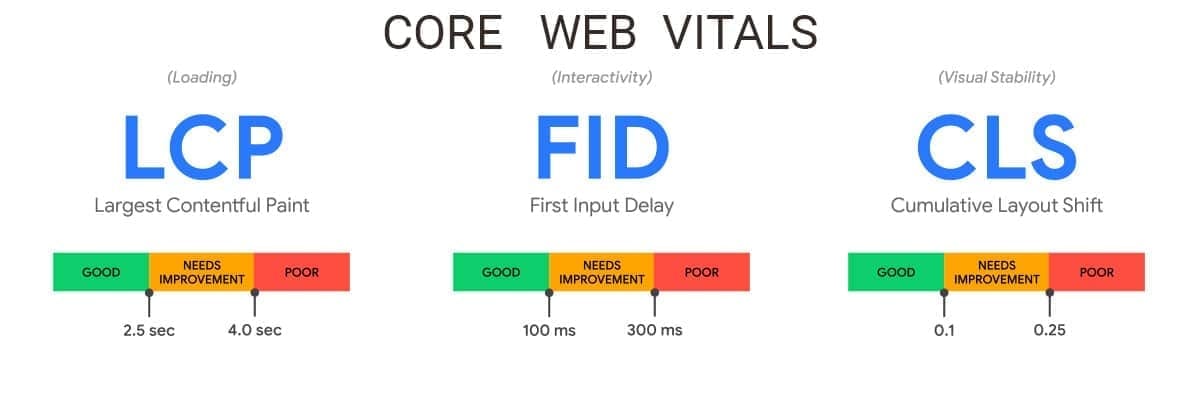
Core Web Vitals are a relatively light ranking signal, but slow, jumpy pages lose visitors and sales, so improving them pays off either way.
What to do:
- Compress images and use modern formats such as WebP
- Reduce heavy scripts and unused plugins
- Use quality hosting and a content delivery network
- Monitor Core Web Vitals in Google Search Console
4. Mobile-First Indexing
Google uses the mobile version of your website for indexing and ranking. With most people in India browsing on their phones, a slow or awkward mobile site limits your rankings and loses customers.
What to do:
- Use a responsive design that works on every screen size
- Make sure the mobile version shows the same content as desktop
- Use readable fonts and easy-to-tap buttons
- Test key pages on real devices regularly

5. E-E-A-T and Helpful Content
E-E-A-T stands for Experience, Expertise, Authoritativeness and Trustworthiness. It’s the framework Google’s quality raters use to judge content, and it reflects what Google’s ranking systems aim to reward.
Since March 2024, Google’s helpful content signals have been part of its core ranking systems, and its spam policies now target mass-produced, low-value content. Generic articles written only to rank are losing ground to content with genuine experience and expertise behind it.
6. Search Intent and Topical Authority
Every search has a purpose: informational, navigational, commercial or transactional. Content that matches that purpose ranks better than content that simply repeats a keyword.
Search engines also reward sites that cover a topic in depth. A cluster of connected, helpful pages on one subject signals that your site is a trusted reference.
What to do:
- Study what currently ranks before writing a page
- Match the format searchers expect, such as a guide, list, comparison or service page
- Build topic clusters around pillar pages
- Link related pages together with descriptive anchor text
7. Video and Visual Search
Video is now one of the most popular ways people learn and decide, and YouTube is widely described as the world’s second-largest search engine. Visual search through Google Lens also lets people search using their camera instead of words.
What to do:
- Create helpful videos with clear, searchable titles and detailed descriptions
- Add chapters, captions and transcripts
- Use high-quality, original images with descriptive file names and alt text
- Add structured data for videos and products where relevant
8. Google Business Profile and Local SEO
For any business with a physical location or service area, local SEO remains one of the fastest routes to leads. Many local searches now happen on phones and by voice, often with “near me” intent.
What to do:
- Claim and fully complete your Google Business Profile
- Keep your name, address and phone number consistent everywhere
- Earn genuine reviews and reply to every one
- Post regular updates and photos
- Create useful location pages with real local content
See our GMB local SEO checklist for step-by-step actions.
9. Zero-Click Searches and SERP Features
More searches now end without a click, because users get their answer from featured snippets, knowledge panels, People Also Ask boxes or AI Overviews directly on the results page.
Zero-click doesn’t mean zero value. Appearing in these features builds visibility, trust and brand recall, even when people don’t click straight away.
What to do:
- Answer common questions clearly in 40 to 60 words
- Use lists and tables where they fit naturally
- Add FAQ, Article, Product and LocalBusiness schema
- Track impressions and branded searches, not just clicks
10. Privacy-First SEO and First-Party Data
Privacy rules are tightening worldwide. In India, the Digital Personal Data Protection Act, 2023, sets rules for how businesses collect and use personal data, and Europe’s GDPR applies to anyone marketing to European users. Browsers are also limiting cross-site tracking.
Privacy compliance doesn’t directly affect rankings, but it does affect trust, conversions and the quality of the data you use to make SEO decisions.
What to do:
- Collect first-party data, such as email sign-ups, with clear consent
- Use a compliant cookie consent banner
- Set up Google Consent Mode with Google Analytics 4
- Publish clear privacy policies and explain how you use data
How to Prepare Your Business for These SEO Trends
- Audit your website for speed, mobile experience and technical issues
- Review your content for accuracy, depth and genuine expertise
- Optimise your Google Business Profile and earn more reviews
- Track AI visibility alongside rankings and traffic
- Refresh older content that’s slipping in rankings
- Review your privacy setup and consent tools
Frequently Asked Questions
What are the latest SEO trends?
The latest SEO trends include AI-powered search results, conversational search, Core Web Vitals, mobile-first indexing, E-E-A-T and helpful content, topical authority, video and visual search, local SEO, zero-click results and privacy-first data collection.
Is voice search still important for SEO?
Yes, but the bigger shift is conversational search overall. People now ask full, natural questions through voice assistants and AI tools alike. Content that answers specific questions clearly and concisely performs well across all of them.
Are Core Web Vitals a ranking factor?
Yes. Core Web Vitals have been part of Google’s ranking signals since 2021. They’re a relatively light signal compared with content relevance, but they strongly affect user experience and conversions, so improving them is always worthwhile.
Is SEO still worth it with AI search?
Yes. AI tools frequently cite pages that already rank well, so strong SEO is the foundation for AI visibility. What’s changing is the goal: being cited in AI answers now matters alongside ranking in traditional results.
How do I choose the best SEO company in Mumbai?
Look for an agency with relevant case studies, a transparent process covering technical, content and local SEO, honest expectations and reporting tied to leads and revenue. The best SEO company in Mumbai for your business will also understand AI search and your industry.
Stay Ahead of SEO Trends With City & Talent
SEO keeps evolving, but businesses that stay focused on helpful content, strong technical foundations and visibility across every search platform will keep growing.
City & Talent is a Mumbai-based digital marketing agency, with teams in Delhi and Dubai, helping businesses adapt to the latest SEO trends and turn search visibility into real leads. If you’re looking for the best digital marketing company in Mumbai to future-proof your SEO, get in touch with our team.