
Let’s assume a traveller in Delhi is planning three nights in Jaipur. She opens Google on her phone at the airport and types “boutique hotel in Jaipur old city.” Three properties appear at the top of the screen with photos, ratings, and a book button. Yours is not among them. She taps the first result, reads a few reviews, and reserves in under two minutes.
Your hotel, with the better location, the better food, and the better courtyard, was never in the running. It lost before the comparison began. This is what local SEO for hotels prevents. And it plays out several hundred times a day, at independent hotels in every destination.
The Visibility Problem Nobody Owns
Marketing owns the website. Operations owns the guest experience. The GM owns the P&L. But the space between a traveller’s search and your hotel appearing in the results is owned by nobody, which is why it stays broken. Local search is a maintenance job disguised as a technical one, and most independent hotels have been running on the same Google listing for years without touching it.
Meanwhile, the OTAs have worked on it in a much better way making sure that when a guest searches for a room in your city, their listing appears before yours. They are winning because their local search fundamentals are in order. At most independent hotels, the same work is held together with tape.

Local SEO for Hotels, Without the Jargon
Local SEO for hotels is the practice of getting your property to appear when travellers search for a stay in a specific city or near a specific landmark. It has nothing to do with keyword stuffing or clever tricks. It has everything to do with giving Google the correct information, in the correct places, so it can confidently recommend your property to a guest who is ready to book.
Three surfaces do most of the work.
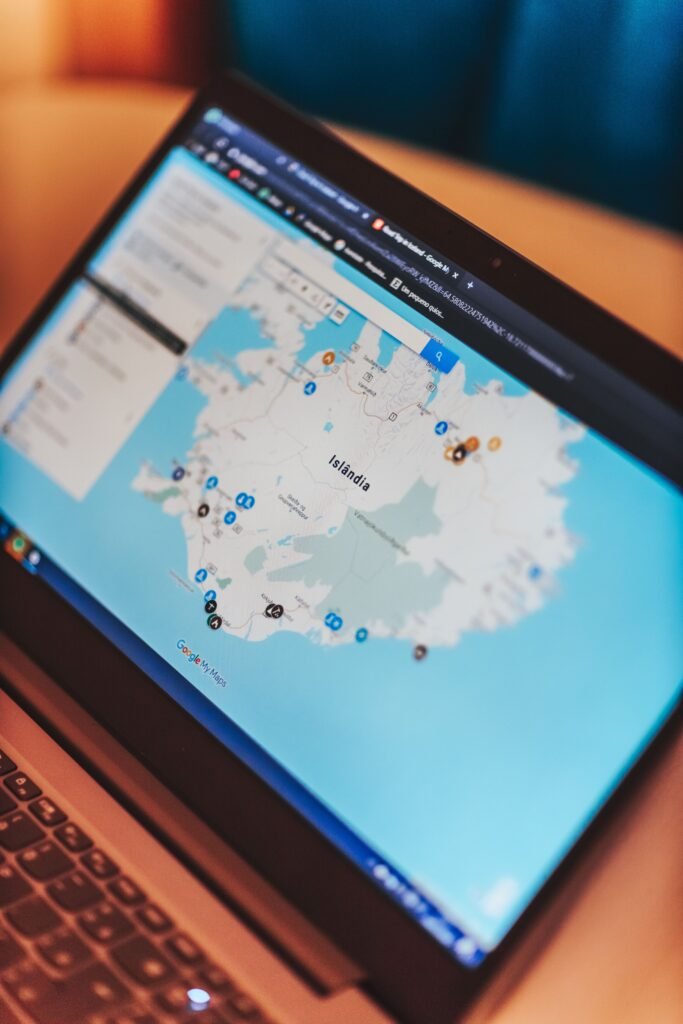
The Map Pack shows the three properties Google places at the top of the results with a map. The Hotel Search Panel is the price-comparison box that appears for date-specific queries. The AI Overview is the growing block of AI-generated recommendations at the top of the page, which pulls from the same signals.
“If your hotel is missing from all three, no website redesign will save the booking.”
Google Business Profile for Hotels, Your Real Front Desk
Google Business Profile for hotels, previously known as Google My Business, is the free listing that shows a hotel’s photos, hours, address, phone, and reviews. It is the single most valuable piece of digital real estate an independent hotel controls, and it is almost universally underused.
Four things to fix this week:
- Claim the profile and complete every field. Incomplete profiles rank below complete ones.
- Upload fresh, high-quality photos of your rooms, restaurant, spa, courtyard, and lobby. Google logs the upload date.
- Add a direct booking link so travellers can reserve without leaving Google.
- Respond to every review, positive and negative, within 24 hours. Response rate is a ranking signal.
None of it requires an agency. All of it moves the needle within weeks.
The Consistency Problem That Quietly Costs Bookings
Your hotel’s name, address, and phone number appear across dozens of directories: TripAdvisor, Apple Maps, tourism boards, event pages, old blog posts, etc. Each of those listings needs to match, character for character.
When Google sees “Grand Boutique Hotel, 24 MG Road” in one place and “The Grand Boutique, 24, M.G. Road” in another, it treats them as two possibly different businesses and lowers the confidence rating on both. Lower confidence means lower rankings.
Fixing citations is unglamorous, tedious work, and it is one of the highest-return audits a hotel can commission. Few have ever done it. The one that does will outrank the one that has not, every time.
The Content That Earns Rankings
Search engines reward hotels that behave like destination authorities. The properties dominating local search are the ones publishing guides to their neighbourhood, itineraries for the surrounding city, and pieces that answer the exact questions travellers type into Google before booking.
A short list of what works:
- Neighbourhood guides written for a first-time visitor
- Event-tied content around local festivals, races, and cultural calendars
- Insider guides to nearby restaurants, markets, and monuments
“Publish twelve of those in a year and your hotel will rank for phrases no OTA can compete with, because no OTA writes them.”
The Technical Basics That Disqualify Most Hotels
Two things are non-negotiable now.
A mobile site that loads in under three seconds. Most hotel searches happen on phones, and Google has ranked mobile experience above desktop for years. A slow, clunky booking flow filters your hotel out before the guest sees the room.
Schema markup for hospitality. This is a small piece of code that tells Google exactly what your page is (a hotel), which rooms you sell, what amenities are included, and how the pricing works. Without it, your listing competes on aesthetics. With it, it competes on data, which is what Google’s ranking systems care about.
The Next Wave Is Already Here
Google is no longer the only surface that matters. Millions of travellers now ask ChatGPT, Gemini, and Claude for hotel recommendations, and those systems draw from the same local signals: your Google Business Profile, your citations, your reviews, and the schema on your site. The hotels ranking well on Google in 2024 are the ones being surfaced in AI answers in 2026.
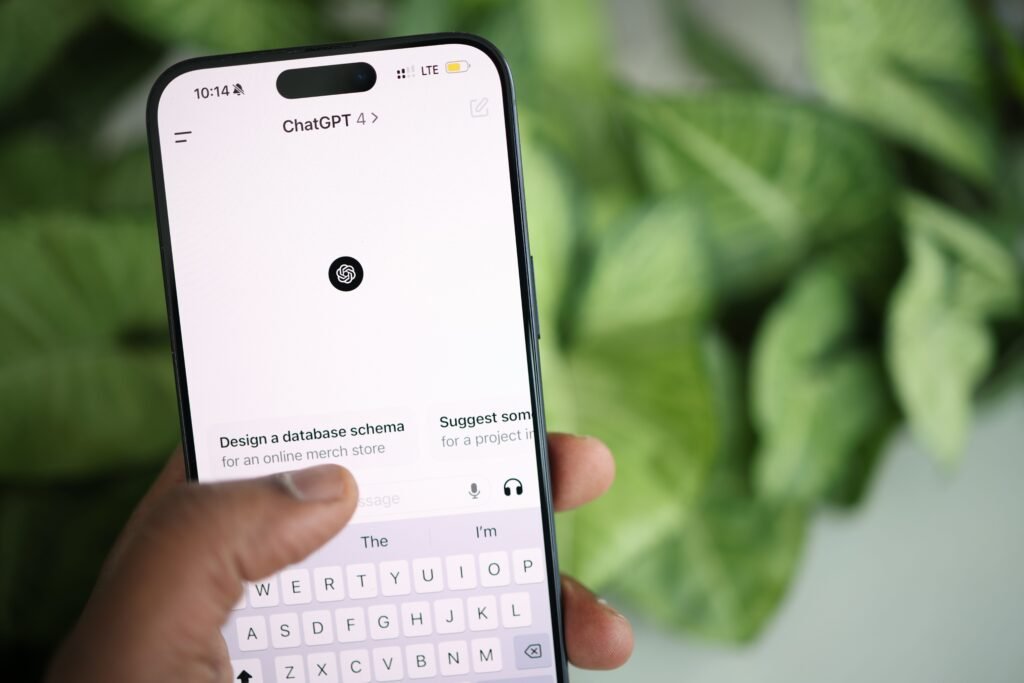
“Every month of delay is another month of AI systems learning your competitors’ names, their reviews, and their reputation. When a traveller asks ChatGPT for a hotel in your city, those are the names that come back. Yours is not in the answer.”
Where to Start This Week
Pick one thing. Open your Google Business Profile for hotels. Add ten new photos, respond to the last twenty reviews, correct the amenities list and add your direct booking link. That single hour of work will do more for your local SEO for hotels than a month of Instagram posts.
Then plan the harder work: citation clean-up, schema, mobile speed and a small library of destination content. None of it is glamorous. All of it compounds. The hotel that starts today has a massive head start on the one that starts next year.
City &Talent is a specialised hotel SEO agency working with independent and luxury hotels on the fundamentals that turn Google traffic into direct bookings for hotels. If any of the gaps in this piece sound familiar, that is the conversation worth having. Get in touch.
Frequently Asked Questions
What is local SEO for hotels?
Local SEO for hotels is how your property gets found when travellers search for a stay in your city, near a landmark, or with dates attached. It covers your Google Business Profile, your listings across the web, your reviews, and the technical health of your website. Traditional SEO chases broad keywords; local SEO chases guests who are ready to book.
How long before we see results?
Quick fixes like completing your Google Business Profile and responding to reviews can shift rankings within a few weeks. Citation clean-up, content, and technical work compound over three to six months. Hotels that start now and stay consistent see meaningful gains within two quarters.
Do guest reviews affect hotel Google rankings?
Yes. Google factors in review count, rating average, recency, and how promptly the hotel responds. Beyond rankings, reviews are what turn a search result into a click, and a click into a booking.
Does local SEO still matter with AI answer engines?
More than before. ChatGPT, Gemini, and Claude draw from the same signals Google does: your Business Profile, your citations, your reviews, and the schema on your site. Hotels absent from those foundations are absent from AI answers too.
What is the difference between local SEO and paid ads?
Ads stop working the moment the budget stops. Local SEO compounds. A well-maintained Google Business Profile and a clean citation footprint keep delivering direct bookings for hotels months and years after the work is done, at zero cost per booking.